Browsing Category

Art & Culture

Art & Culture

Celebrated Architect I.M. PEI’s art collection to be sold by Christie’s
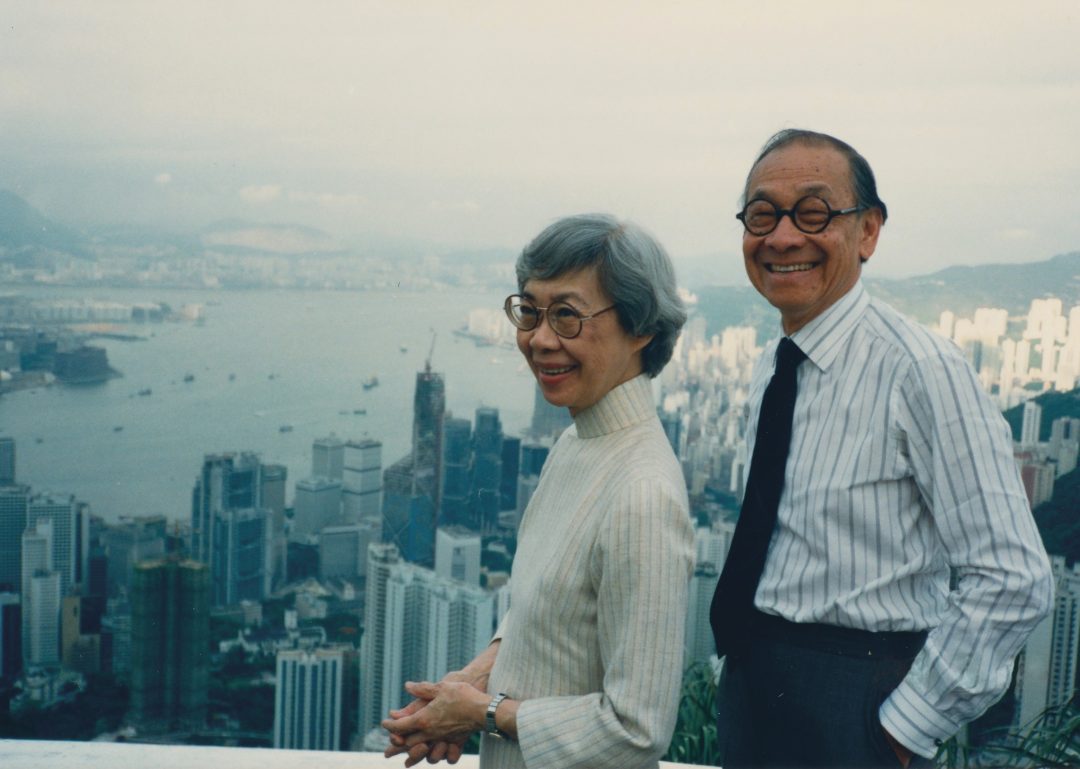
Eileen and I.M. Pei, Hong Kong, 1988

Following the passing of famed Chinese American architect, I.M. Pei, Christie’s will be auctioning off the icon’s tasteful collection of art. I.M. Pei passed away in May of this year at 102 years old. Throughout Pei’s long career, he has been praised as one of the most talented architects of the 20th and 21st centuries. Pei’s designs include the John F. Kennedy Library in Boston, the Louvre Pyramid in Paris, the Bank of China Tower in Hong Kong, and the…

Continue Reading

Art & Culture Auto

The Art of Lamborghini Matched with Skyler Grey’s Pop Art Creates An Extraordinary Masterpiece

The Art of Lamborghini Matched with Skyler Grey's Pop Art Creates An Extraordinary Masterpiece

What defines an extraordinary artist and a masterpiece he brings to life? In the era belonging to the young and bold, accomplishing something that is both innovative and awe-inspiring is no easy task. For an artist there are his colours and his canvas, and well the skill and creativity to make his art a true masterpiece. However, though artist are well versed in the types of colours at their disposal, what can be done about the canvas? Street artists, for…

Continue Reading

Art & Culture

Maria Kochetkova Begs the Audience to “Catch Her if You Can” in Her Most Recent Project Since Leaving the San Francisco Ballet

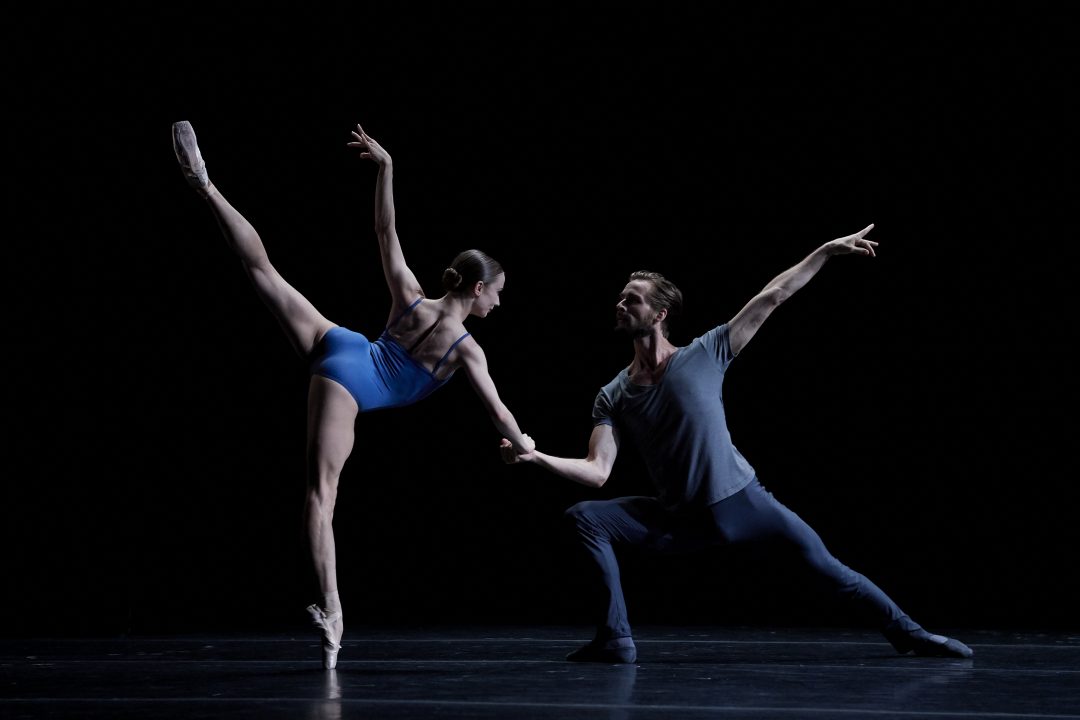
Ballerina Maria Kochetkova and Sebastian Kloborg dance together in Catch Her if You Can.

In a series of dizzyingly graceful pirouettes, leaps, and arabesques, a stunned audience watched as 35-year-old ballerina Maria Kochetkova impressed in her performance of Catch Her if You Can in an intimate showing at the Joyce Theater in New York City. Displaying both artistry and strength through her movements, the former principal ballerina of the world-renowned San Francisco Ballet, was accompanied by four of her friends in the highly anticipated hour and a half long showcase, which was composed of…

Continue Reading

Art & Culture Men's Style

How a Bourbon King influenced ISAIA’s S/S 2020 Collection

How a Bourbon King influenced ISAIA's S/S 2020 Collection

Famed Mens Clothier ISAIA unveiled their stunning Summer 2020 collection on June 15th in Milan at the Palazzo della Triennale. In true Neapolitan fashion, ISAIA is paying respect to its home city of Naples by supporting theNational Museum of Capodimonte. The Museum, which is under the patronage of ISAIA, is currently in the process of being renovated. The museum is housed in an eighteenth-century palace on the Capodimonte hill. The palace, which has long served as a repository of Neapolitan…

Continue Reading

Art & Culture

A Modern Interpretation of Ballet Unveiled at the Whitney Museum of Art

A Modern Interpretation of Ballet Unveiled at the Whitney Museum of Art

Featuring 75 different artists and collectives, the Whitney Biennial, the longest running art exhibition in the country, has returned for the summer and is mesmerizing viewers. Through its duration, the exhibit works to provide “a snapshot of art in the United States” for its viewers, but perhaps what is one of the most eye-catching aspects of the exhibition this year, is an installation created by Brendan Fernandes. The installation titled The Master and Form, was originally showcased in 2018 at…

Continue Reading

Art & Culture People

The Art of Beya Rebaï

The Art of Beya Rebaï

Meet the young and talented Paris-born artist Beya Rebaï, who has a passion for color as she draws narrow and select tone focus pieces. Having studied illustration in Brussels, Belgium for three years, and later attempting her master degree in Paris, Beya’s love for art has only grown stronger as time went on. With an intense drive for creativity, Beya is always seen with a sketchbook and wax pastels in hand during her travels. Not restricting herself with just what…

Continue Reading

Art & Culture Beauty Fashion Lifestyle People Philanthropy Travel Women's Style

Over the Moon with Makenzie Moon Phelan

The Extravagant discusses art, culture and makeup with Makenzie Moon Phelan, NYC based artist and socialite, and daughter of wickedly fun art world patrons Amy and John Phelan. Drawing from a wide range of cultural references, we dive into her work as a makeup artist and her contemporary art practice: What drew you to the world of make-up?  What do you feel is the role of the make-up artist and how does your fine art background (i.e. painting) inform your…

Continue Reading

Art & Culture

When Art is Not About Art, But About You

When Art is not about Art, but about You

Fred Sandback, American, 1943-2003. Untitled (One of Four Diagonals), 1970. Black Elastic Cord Installed Across a Room from an Upper Corner to the Lower Corner of the Diagonally Opposite Corner. Standing at the entrance to the Spaces: Works from the Collection 1966-1976, I hesitated, unsure whether to go in. There was almost nothing inside. From where I was standing, all I could see was just a black elastic cord installed across a room. I was trying to examine the elastic…

Continue Reading

Art & Culture

The Courtauld Collection: A vision for impressionism – an exhibition at the Fondation Louis Vuitton

This year the Fondation Louis Vuitton presents the Courtauld Collection, from the 20th of February until the 17th of June, 2019.  With more than 110 impressionist artworks, this exhibition is undoubtedly a major event in the art world. For anyone living in London, the name “Courtauld” is most likely familiar. The Courtauld Gallery, located in the Somerset House on the Strand, is one of the most important museums of the capital. Indeed, it is exhibiting the art collection of the…

Continue Reading

Art & Culture People

Talking Art: Interview with Phoebe Dickinson

Talking Art: Interview with Phoebe Dickinson

Meet one of the 21st century’s most gifted classical painters, London based Phoebe Dickinson. The 34 year old artist is turning heads with her quintessentially timeless portraits, which evoke a feeling of Gilded Age nostalgia. Probably best known in the United Kingdom, the artist has been heralded for her painting of Carson from Lord Julian Fellowes’ hit series Downton Abbey, as well as for her painting of the Cholmondeley children at Houghton Hall, which was selected for the 2018 BP…

Continue Reading

Celebrated Architect I.M. PEI’s art collection to be sold by Christie’s

Following the passing of famed Chinese American architect, I.M. Pei, Christie’s will be auctioning off the icon’s tasteful collection of art. I.M. Pei passed away in May of this year at 102 years old. Throughout Pei’s long career, he has been praised as one of the most talented architects of the 20th and 21st centuries. Pei’s designs include the John F. Kennedy Library in Boston, the Louvre Pyramid in Paris, the Bank of China Tower in Hong Kong, and the Museum of Islamic Art in Doha, to name just a few.

The auction that’s set to take place this Fall in New York, Paris, and Hong Kong is said to include works from artists such as Willem de Kooning, Zao Wou-Ki, Barnett Newman, Henry Moore, and Frank Kline, among many other highly acclaimed artists. Over the course of I.M. Pei’s 72 years of marriage to his wife Eileen, the couple amassed a praiseworthy collection of paintings, drawings, and sculptures. A wide range of international artists and styles are represented in the collection, which ranges from Impressionist & Modern Art to 20th century Asian works and Chinese paintings. The entire collection of Eileen and I.M. Pei is estimated to gross over $25 million USD.

Reflecting on her parents’ collection and their close relationship with many of the artists, Liane Pei stated: “My parents’ collection is a personal reflection of how they lived. They shared a deep curiosity about the world and I have wonderful memories of traveling with them. No matter the country, they always seemed to have friends, many of whom were artists, architects, gallerists and museum directors, ready to welcome them. There was always a deep feeling of mutual respect, warmth and friendship. Whenever we were in Paris, we would visit Zao Wou-ki, whom I always referred to as ‘Uncle Wou-ki,’ to see his latest paintings. Years later, I recall a splendid trip to Venice with Annalee Newman, whom I adored as a grandmother. She and Barnett Newman, along with friends such as Tony Caro, Isamu Noguchi, and Pierre and Tana Matisse were often invited to our home. A tremendously accomplished chef and consummate hostess, my mother was always ready with a delicious home-cooked meal, which my father was equally ready to match with the perfect bottle of wine. My parents cherished these friendships. Even when these friends were far away, however, it never felt like that. We lived with their art every day and so they were always present. In that respect, I believe my parents could not have been happier, as they found inspiration in, and were always surrounded by, their treasured friends.”

The collection created by the Peis together with their artist friends was approached in a way that was highly inspired by personal relationships and studio visits. I.M. Pei is quoted as once stating “Great artists need great clients.” Mr. and Mrs. Pei acquired many works directly from the studios of acclaimed artists such as Jacques Lipchitz and Jean Dubuffet.

The Barnett Newmans came from his wife Annalee Newman a few years after Newman passed away and many of the Jean Dubuffets are inscribed specifically to the Peis. Their collection was a significant part of the couple’s self-designed home, which speaks very much to the dialogue they had between top artists of the 20th century and I.M Pei’s aesthetic eye as their contemporary in the field of architecture,” said Johanna Flaum, Senior Vice President, Head of Sales, Post-War and Contemporary Art at Christie’s

Particular highlights of this collection include Jean Dubuffet’s La Brouette (The Wheelbarrow) (Estimate: EUR 350,000 – 550,000), which took twelve years to complete, and Barnett Newman’s Untitled 4, 1950 (Estimate: in the region of US $8 million)  and Untitled 5, 1950 (Estimate: in the region of US $5 million), which were both acquired from Newman’s widow, Annalee in the mid-1970s by the Pei family.

Featured Image: Eileen and I.M. Pei, Hong Kong, 1988 | Courtesy Eileen and I.M. Pei Family Archive, provided via Christie’s

The Art of Lamborghini Matched with Skyler Grey’s Pop Art Creates An Extraordinary Masterpiece

What defines an extraordinary artist and a masterpiece he brings to life? In the era belonging to the young and bold, accomplishing something that is both innovative and awe-inspiring is no easy task. For an artist there are his colours and his canvas, and well the skill and creativity to make his art a true masterpiece. However, though artist are well versed in the types of colours at their disposal, what can be done about the canvas? Street artists, for example, can envision their art anywhere, thereby opening the door to infinite number of possibilities for the so-called ‘canvas’. But let’s take a young and talented artist teeming with an unlimited level of creativity with a canvas that is already irrefutably deserving the title of masterpiece? There is no need to wait in order to find out because famed American street artist Skyler Grey has revealed the answer to this question during renowned Monterey Car Week at a private party in a stunning villa overlooking the Pacific Ocean.

Automobili Lamborghini provided the perfect canvas, which is widely regarded as a work of art in of itself: the Aventador S. What soon took place is plain to see as a one of a kind Lamborghini was born originating from a fusion between the beauty of automobiles and the empowering yet expressive street art of Skyler Grey. One one side sits a dynamic silhouette defined by taut lines, three-dimensional volumes, geometric components and advanced technology application; while the other side stands a man who has been referred to as the “Fresh Prince of Street Art” at the young age of 19. The one off Aventador S was officially unveiled at The Lamborghini Lounge on thursday in a villa resting at the 18th hole of Pebble Beach Golf Course in Monterey.

American Pop Artist, Skyler Grey states right before the big unveiling: “When we were making this car, Lamborghini thrives off of making the most perfect car. Skyler Grey, the artist that you are seeing now, I thought about the imperfections of my painting. So, when I was thinking about how I would make the car, I was sitting and thinking how are we going to make the most perfect imperfect car. And when I went to Sant’Agata and I [headed] to the new paint shop, I looked at my team, which is like my family – I love those people down there. And that’s exactly what we did, we made the most perfect imperfect car.”

Skyler Grey, one of the youngest and highest influencial figures in the art world, transformed the Lamborghini Aventador S, a car which is the epitome of perfection, into something completely new: Grey likes to call this latest piece perfectly imperfect. Making a work of art that is already perfect, then taking it and adding the transcendent style of Skyler Grey into the picture resulted in a transformation that brims with originality reflecting the personification of the artist and the superlative nature that is Lamborghini.

Katia Bassi, Chief Marketing & Communication Officer of Automobili Lamborghini, commented: “Because of the affinity we feel with the world of art, we wanted to experiment with a new creative approach, entrusting Skyler Grey with the interpretation of a car that is already itself a work of art. It is a project connected with our new paint shop in Sant’Agata Bolognese, a place where technology and art meet and where our specialists are tasked with turning our customers’ dreams into reality, in the search for aesthetic perfection.”

With an exceptional iconographic pop art style of painting that has been closely related to legendary artists such as Andy Warhol, Keith Haring, and Jean-Michel Basquiat; Grey has undoubtedly lived up to such great names in the art community with his latest work. Being the youngest artist to have his pieces showcased in museums and art fairs across the globe, not to mention his name in the 2017 Forbes “30 under 30” list of the most influential artists worldwide, the rising star’s creativeness knows no bounds.

“If I had to have my own personal Lamborghini,” says Skyler Green. “I just thought what is more bold and more innovative than most colors. You know when you see the entertainment side of one of my painting series, in which I took success and bottled up that success and I took what Lamborghini was and I bottled up what Lamborghini was. Then I took the bull and interpreted it in my own personal way [as] you see the bull is hopping out of the can.”

When the car was delivered to the artist, it came painted in the new Lamborghini paint shop that was recently opened in Sant’Agata Bolognese. Roughly a year long creative process took place, not including an additional three weeks in the paint shop, which was handled by partnering up with an interfunctional team highly capable technologists and experts in paints, logistics assembly and quality as they worked throughout the feasibility phase and right down to the production process. Undeterred by the high level of intricate tasks need for its completion, the artist along with the assistance of the team has developed the first ever four wheeled street-legal work of art.

Utilizing a range of principal techniques for street art, Grey applied airbrushes, spray guns, rollers and stencils in order to characterize the vehicle in his personal pop art colours of orange and yellow. Grey chose the use of orange, Arancio Atlas (orange), as the base colour for which he expresses his vision of what is translated by the Lamborghini trademark. Yellow, dark orange and white colours make the exterior pop in unusual brushstrokes with splashes of colour and paint dripped atop the surface area via the drip painting technique. These three colours scatter and conjoin to create depictions of bulls rampaging across the side of the body having been released from air intakes in a race from the famous Campbell’s soup can that is a reference to Warhol’s “32 Campbell’s Soup Cans”

Like any great work of art, the artwork isn’t finished until the artist signs his name at the bottom of the canvas, and Skyler Grey’s signature prominently appears on the bodywork with a lightning bolt above it, which guarantees the authenticity of the work. The interiors, which are in a Nero Ade (black) leather alongside conflicting orange stitching, are stylized on the rear panel with an embellished image of an animated bull located right in between blots of colour paint accompanied by a splash effect. The artist’s vigorous design of the bull was handed over to the artistic embroidery skills of Lamborghini’s upholstery specialists.

This all-new Aventador S by Skyler Grey, having already been purchased by an art collector, will be the first Lamborghini to be certified through contemporary blockchain technology. Furthermore, the car belongs to the pilot project “Lamborghini Sicura”, having been launched in concert with Salesforce and focuses on preserving the car as a work of art. To make this possible a process of verifying the authenticity certification is needed, which also requires Salesforce Blockchain technology so as to ensure data security and incorruptibility. This type of protection system is used to block and shut off any possibility of counterfeiting as the system traces and certifies all the information regarding the model whilst boosting the value for all stakeholders.

The private villa is modelled to reflect that of an art collector and Lamborghini fan’s home where guests are welcomed into a world of Lamborghini art and design merge to create a sanctuary for art and automotive enthusiasts. The space is the culmination of various forms of art and was designed with one motto in mind “Created to Inspire”.

Lamborghini’s newest models were on display throughout the party with interactive spaces that take guests through the creative process of their design and to their personalization, within a warm, inviting and informal ambience. Amongst the lively artists in attendance at the lounge, aside from Skyler Grey alongside the Lamborghini he has individualized and some of his most memorable artwork, Italian artist Alfredo Sannoner, who’s a master calligrapher with his italic art and pursuit of both elegance and precision in writing, also made an appearance.

Maria Kochetkova Begs the Audience to “Catch Her if You Can” in Her Most Recent Project Since Leaving the San Francisco Ballet

In a series of dizzyingly graceful pirouettes, leaps, and arabesques, a stunned audience watched as 35-year-old ballerina Maria Kochetkova impressed in her performance of Catch Her if You Can in an intimate showing at the Joyce Theater in New York City. Displaying both artistry and strength through her movements, the former principal ballerina of the world-renowned San Francisco Ballet, was accompanied by four of her friends in the highly anticipated hour and a half long showcase, which was composed of eight distinctly unique pieces.

Kochetkova, who was born in Moscow, grew up studying at the prestigious Bolshoi Ballet Academy, but most recently she drew attention after announcing her departure from the San Francisco Ballet at the end of the 2018 season and after 11 years as a principal dancer with the company. Her reason: to pursue her own projects, the first of which being Catch Her if You Can.

“I had the most amazing career at San Francisco Ballet and dancing at American Ballet Theater at the same time for a few years, but it’s never enough time to do everything that you want,” explained Kochetkova in a YouTube video posted by the Joyce Theater. “Leaving San Francisco Ballet gave me the opportunity to finally be able to do my own project.”

Maria Kochetkova as "Masha Fierce"

In the YouTube video, of which was posted leading up to the performance’s New York City debut, Kochetkova also discussed wanting to expand the perceptions that people typically have about what ballet is through showing what ballet is like now. “I love ballet, it’s part of our history. Ballet is not just Swan Lake and it’s not just Sleeping Beauty. Ballet can be different, ballet can be contemporary, ballet can be exciting, ballet can be theater,” explained Kochetkova in the three-minute-long video.

Having become accustomed to dancing classical ballet roles while performing as Aurora in Sleeping Beauty and Juliet in Romeo and Juliet, throughout her and her friends’ performances in Catch Her if You Can, Kochetkova and crew entranced the audience as they swiftly moved between different styles of ballet. Almost as if to ease the audience into what was to come later in the night’s performance, to start off the show, Kochetkova along with former soloist of The Royal Danish Ballet, Sebastian Kloborg, danced a classically inspired and technically impressive duet to the tune of J. S. Bach. But from piece to piece, Catch Her if You Can revealed a wide-array of ballet styles that gradually pushed past the boundaries of classical ballet by incorporating contemporary ballet choreography by Myles Thatcher, as well as choreography with a more modern twist.

Kochetkova posing at the Joyce Theater

The first piece of the night to truly showcase Kochetkova’s versatility as a ballerina was a performance titled Degunino and choreographed by Marcus Morau. Dressed in a sheer black long-sleeved bodysuit (that she can be seen wearing in the photo above), Kochetkova masterfully showcased her strength and fluidity by dancing a mix of sharp gestures and elongated body movements all while wearing her pointe shoes. Although only 5-feet tall, Kochetkova easily appeared as if she were two feet taller, deceiving the audience and causing some surprise when she later took the stage with Drew Jacoby, who is 5-feet-11-inches, in a piece titled Rachel, Nevada.

Maria Kochetkova and Drew Jacoby dance side-by-side in Catch Her if You Can.

Ditching the point shoes and instead opting for a pair of ballet slippers, Jacoby and Kochetkova danced side-by-side wearing unapologetically pink, skin-tight bodysuits to the tune of percussion music in this avant-garde performance choreographed by Jacoby. With the black and white illusionary background in constant flux, Rachel, Nevada was definitely the most fun and the most experimental piece of the showcase.

To end the night and right before Kochetkova took the stage for the last time, a Facebook Messenger conversation between her and choreographer Jérôme Bel was illuminated onto the backdrop of the stage. In the silly, yet thoughtful discussion shown between the two, Kochetkova and Bel joked about their friend, Black Swan choreographer Benjamin Millepied, while also delving into Kochetkova’s ballet training at the Bolshoi Ballet Academy, her future career ambitions, and her thoughts about her own funeral.

Answering the question that has plagued the ballet world since her departure from the San Francisco Ballet, Kochetkova explained her desire to direct a ballet company one day, but also admitted that she doesn’t have the patience to teach ballet. Each of these questions asked by Bel were meant to provide inspiration for his choreography in the final piece danced by Kochetkova titled Masha Machine.

After the conversation came to an end, Kochetkova walked onto the stage wearing baggy pants and a black shirt. Her hair was even in a ponytail, instead of the traditional ballet bun that she had worn the rest of the performance.

With no music to accompany her, Kochetkova danced very minimal, sharp, and technical movements while speaking into a microphone. “I never look out into the audience, I never look at anyone on stage directly. I don’t think anyone has taught me this,” said Kochetkova to the silent audience.

Catch Her if You Can ran between July 16 and July 21 at the Joyce Theater in New York City.

Featured Photo and third photo by Rachel Neville Photography, first photo by Annabel Mehran, and second photo by Magus Unnar.

All photographs Provided by Kornberg PR Press Materials.

How a Bourbon King influenced ISAIA’s S/S 2020 Collection

Famed Mens Clothier ISAIA unveiled their stunning Summer 2020 collection on June 15th in Milan at the Palazzo della Triennale. In true Neapolitan fashion, ISAIA is paying respect to its home city of Naples by supporting the
National Museum of Capodimonte. The Museum, which is under the patronage of ISAIA, is currently in the process of being renovated.

The museum is housed in an eighteenth-century palace on the Capodimonte hill. The palace, which has long served as a repository of Neapolitan artwork, was constructed for King Charles III of Spain, who ascended to the throne in the year 1734. Charles III inherited a significant collection of art from his Italian mother, Elisabetta Farnese. The Farnese family collection was initiated by Pope Paul III, in the 1500s. Significant holdings among the Farnese family collection that now reside within the museum’s hands include works by masters, such as Simone Martini and Tino da Camaino, Colantonio, Raffaello, Michelangelo, Tiziano, Breughel, Carracci, and Caravaggio.

One of the most exceptional aspects of the palace is its Rococo style rooms, which include a Chinese Salon crafted entirely of porcelain. Capodimonte has seen many changes in its long history, from conversions in use, to movements of contents: this residence has witnessed it all. Following Bourbon ownership, the estate passed through the hands of the House of Savoy.

Well, we assume you are now asking yourself ‘what does this palace have to do with ISAIA’s most recent collection?’ In honor of Capodimonte, ISAIA has titled their S/S 2020 release the “Capodimonte Collection,” in honor of the majestic palace. The Colours, which are well pronounced in the collection, are reminiscent of the grand residence. Whether you’re the kind of gentleman that desires solids or pastels, you will be pleased to know that your next garment has taken influence from masterpieces in one of Italy’s finest museums.

Highlights of this collection abound in casual wear, including well-tailored jeans, madras sport shirts, and polo shirts; in addition to sporting trousers that feature boat shaped pockets and elegantly tapered lines. The polo shirts stand out with their exposed seams that reinforce the garment’s fabric, and handmade buttonholes leave little to be desired. Other standout details amongst the collection include pieces that display prominent glass buttons and the new sail feature with coral thread that is more like tailored stitching.

With our attention returning to the museum’s art work, we can’t help but notice the palace’s Flemish tapestries, which solidify the victory of Charles V at the Battle of Pavia in 1525. This work is adapted into the S/S 2020 collection’s elegant dinner jackets. Last, but certainly not least, the undercollars of ISAIA’s S/S 2020 jackets are meant to pay homage to the Capodimonte’s ‘rococo cherubs that peek through golden stuccoes and frescoes.’

Images courtesy of: ISAIA

For more information, please visit: www.isaia.it

A Modern Interpretation of Ballet Unveiled at the Whitney Museum of Art

Featuring 75 different artists and collectives, the Whitney Biennial, the longest running art exhibition in the country, has returned for the summer and is mesmerizing viewers.

Through its duration, the exhibit works to provide “a snapshot of art in the United States” for its viewers, but perhaps what is one of the most eye-catching aspects of the exhibition this year, is an installation created by Brendan Fernandes.

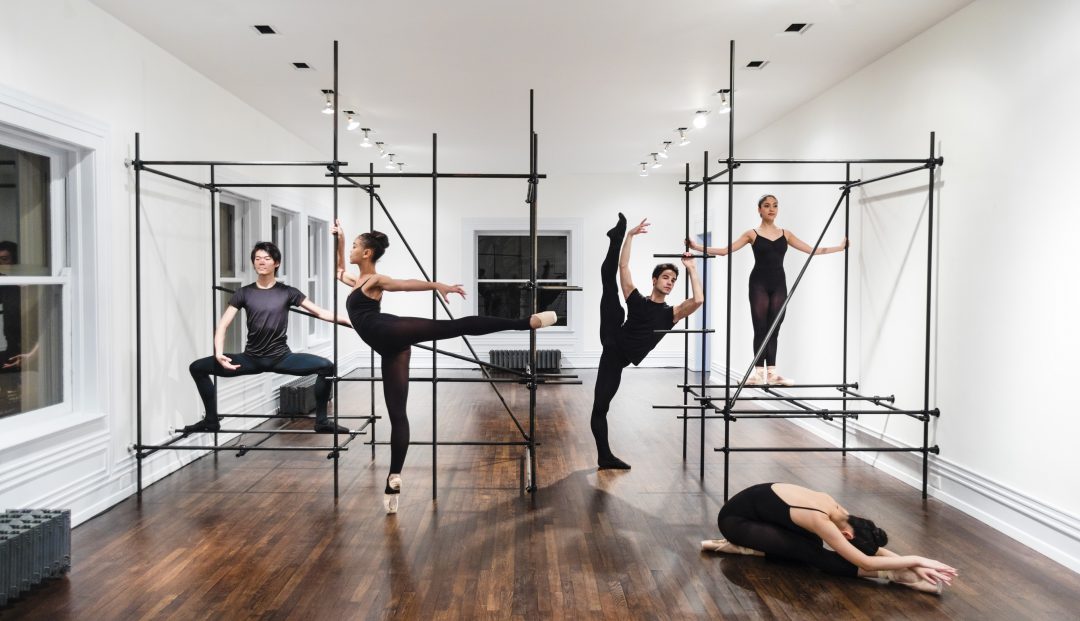
The installation titled The Master and Form, was originally showcased in 2018 at The Graham Foundation and explores the contrast between beauty and discipline in relation to classical ballet.

Having familiarized himself with this style of dance, on the museum’s website, Fernandes, a 39-year-old artist who was born in Nairobi, Kenya, but currently lives in Chicago, IL, discusses a desire to be critical of and to break down the binaries of race, class, and gender through his work.

Located in a room separate from the other artworks in the exhibition, stepping into the installation as a viewer almost feels like you are entering a different world.

With a large industrial cage dominating the center of the room, at any moment there are five classically trained ballet dancers holding onto the 10 large ropes hanging from ceiling to floor in the back of the installation. While grasping one end of the rope with each hand, the dancers slowly and methodically move between different poses, showcasing their endurance and strength.  

At certain moments, the dancers are given a cue to leave their position on the ropes and return to the cage placed at the center of the installation, which Fernandes describes as “a safe space for them to release their bodies.”

Jeremy White, a 22-year-old student studying art in Connecticut, ventured to the city for the day with some friends and decided to come to the Whitney and explore the exhibition, during which he took the time to step into and admire the installation by Fernandes.

“I ended up stepping into it with my friend and walking around,” says White. “I liked how [the ropes] were sitting on the track light and I was just thinking about the relationship between the utility of movement, or being attached to this track light.”  

Since its opening in 1932 by the museum’s founder Gertrude Vanderbilt, the Whitney Biennial has worked to include a myriad of different works that are made available to the public every two years, ranging from paintings, sculptures, installations, film, photography, performance, and sound. The curators of the Biennial this year are Jane Panetta and Rujeko Hockley.

In addition to the work created by Fernandes, the Biennial also includes a number of other provocative artworks by artists like Kota Ezawa, Elle Pérez, and Jeffrey Gibson.  

Admission to and guided tours of the Whitney Biennial are included with admission to the museum, and the installation by Fernandes is available to view on select Fridays, Saturdays, and Sundays until the exhibition ends on September 22, 2019.  

Featured image courtesy of: Brendan Fernandes and Monique Meloche Gallery, Chicago. Photograph by Brendan Leo Merea. Provided via The Whitney Museum of Art.

Featured image description: Brendan Fernandes, The Master and Form, 2018. Performance view, Graham Foundation, Chicago, IL, 2018.

The Art of Beya Rebaï

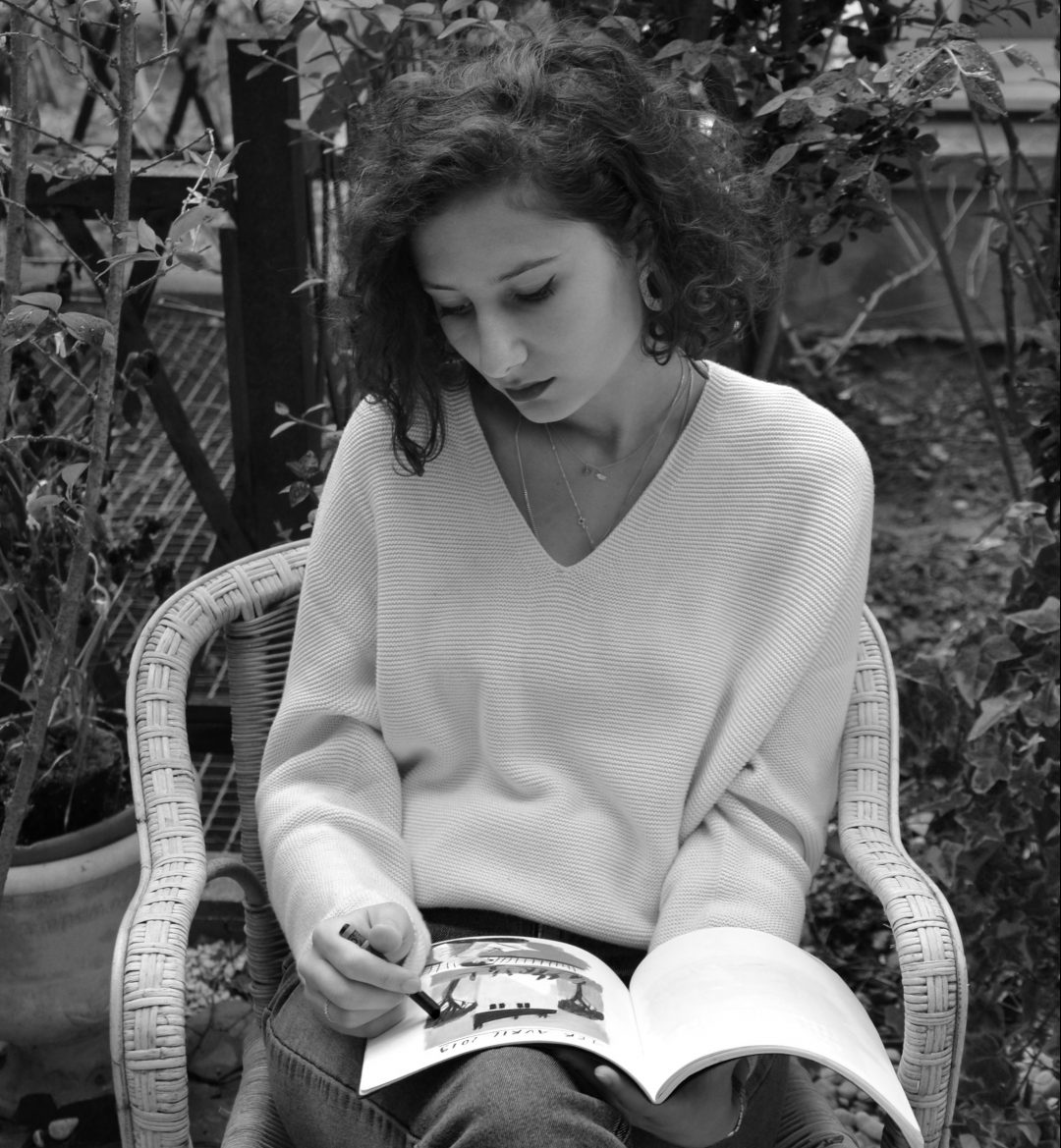
Meet the young and talented Paris-born artist Beya Rebaï, who has a passion for color as she draws narrow and select tone focus pieces. Having studied illustration in Brussels, Belgium for three years, and later attempting her master degree in Paris, Beya’s love for art has only grown stronger as time went on. With an intense drive for creativity, Beya is always seen with a sketchbook and wax pastels in hand during her travels. Not restricting herself with just what she sees with her eyes, Beya draws what she sees in her own unique way by adding an abundance of color.

Take us through a day in the life of Beya Rebaï.

“I recently decided to leave my Masters degree, so now I can take more time doing what I want, especially in the morning. I could say that my day starts around 10am, by going to the gym and then back to work on the computer, responding to all my emails and investing myself in the different projects I am currently working on. These days, I am mostly handling my e-shop, managing the orders that have been placed. So, there is no « typical » day for me, really.”

Tell us about how you first became interested in art, and what initially attracted you to illustration?

“I think it started with my parents, who are big fans of art and made me travel around the world since I was a little girl.  My dad has a travel agency. Each place we would go to, we would visit a lot of museums and it developed something in me. I did not see these visits as obligations; on the contrary, I really loved them. I remember my parents placing me in one room of the museum and telling me “pick a painting, try to reproduce it maybe while we go take a look around”. When they would come back, I realized a lot of people had gathered around me, watching me draw. Reproducing paintings and being so sensitive to colors and art in general led the way for me. The specialty of illustration really came in my prep school, after high school, when I met some people who were passionate about it. They made me realize illustration was the closest technique to drawing. And so I left for three years to Belgium to do a bachelor’s degree in illustration.”

Your work is inherently unique yet reminiscent of several celebrated modern artists such as Hermann-Paul, Maurice Denis, L.S Lowry, yet your bright pastel remind us of a colorful Matisse. With that said, who are some historic or contemporary artists that you look up to for inspiration?

“Matisse is definitely an artist that I always look up to and admire for his unique colors. I [also] feel very close to the Nabi movement (approximately 1888 to 1900), which Maurice Deny was part of. But one of the greatest artists for me is Pierre Bonnard. His light and his color touches are very moving. I tend to incorporate a lot of pink tones in my drawings, something that Matisse and Bonnard used to do, too.”

In a few words how would you describe your work?

“I would say colorful, pink, melancholic, with a touch of loneliness. I am actually thinking about the American painter Edward Hopper: in his canvases, there are colors, people, but they really seem alone. I actually did a presentation about him in high school that really impacted my work now that I think about it.”

Can you walk us through your creative process?

“I can just sit down and draw directly something that inspires me. Or I let my imagination wonder around.”

“But most of the time and when I travel, I take a lot of photographs of the places I visit, of images that “speak” to me. For example, right now, in the very café we are conducting this interview, I would like to take a picture of the two men behind us and re-draw them afterward. The process is the following; I try to do a very thin sketch and then I start putting some color layers. That is the moment when I try to only choose four to five colors for my drawing. At the very end, I scan my work and I sometimes photoshop it to brighten up some tones.”

How has your color range developed over the years?

“I must say it developed very quickly. When I joined my bachelor’s in Belgium, I remember my teachers saying that I was using very strong and uncanny colors for my works. They were not very similar to what I use today, softer smoother colors.”

“Now, I am trying to create a balance between pastel colors and dark greens or vermillion, for example. The various exhibitions that I have the chance to see, but also the photograph magazines that I read can inspire me. The harmony that I decide to create can come from many sources.”

Le Lac Norvégien,©Beya Rebaï

What are some of the most rewarding aspects of using a limited pallet?

“I like to re-invent my own drawings, especially in the subjects of my work. Undoubtedly, there are certain colors that I particularly feel drawn to (like pink, green and blue), but if I decide to re-use them, I have to challenge myself in creating new subjects, new matter. For example, I recently did the portrait of a couple walking and also a robot, but all in the same colors. Also what can be challenging is the combination of new colors. For instance, I absolutely love yellow, but I have not found a way yet to associate it to another color in my creations.”

“And I would say the rewarding aspect of using a limited pallet is that an artist feels more reassured, but also quite simply, enjoys working.”

Les Amis, ©Beya Rebaï

Is there one drawing that you are particularly close to or proud of?

“I am not especially proud of my drawings. If I were proud, I would probably just stop working! I am at a point where I am experimenting a lot of things, but if I were truly satisfied [with] everything that I did I would not search to diversify myself. But I really admire artists who can keep up their search, and follow the same subject for a long time. I think one my favorite pieces of work is the one from “I mountain” I did a while ago.”

Where to next?

“I have several projects that I would like [to] accomplish this year. But I am currently working on a book, and I have an exhibition coming up in London in October, [at] the Blue Shop Cottage (Brixton). Also, I would like to test a lot of new things like ceramics and textiles. My goal would be to get out of my comfort zone and work with various creators for collaborations; like perfumes, or cars maybe…”

Where can we follow you?

“On instagram: beya.illustration

“And on my website: www.beyarebai.com

Over the Moon with Makenzie Moon Phelan

Makenzie Moon Phelan in the Studio, all images courtesy of the artist, 2019.

The Extravagant discusses art, culture and makeup with Makenzie Moon Phelan, NYC based artist and socialite, and daughter of wickedly fun art world patrons Amy and John Phelan. Drawing from a wide range of cultural references, we dive into her work as a makeup artist and her contemporary art practice:

What drew you to the world of make-up?  What do you feel is the role of the make-up artist and how does your fine art background (i.e. painting) inform your practice?

“Since I was young, I have been interested in both fine art and make-up for cinema or fashion.  Before parties and events, my mom and her friends would have me apply their make-up just at the age of seven, and I realized this is something I really enjoyed creatively. Creating and being around Contemporary Art heavily influences my make-up practice.  From thinking about how palettes and materials work together, to the physical application of pigment is so painterly.”

What inspires you, where do you draw inspiration from?  We noticed Stephen Hawking on your Insta, who inspires you?

“In my opinion, everyone’s view of the world is very different up to the point where my blue could be your green. I think how different people view our world is what has shaped and shifted basic human knowledge and understanding. Whether it be philosophers, artists, scientist, or famous mathematicians; had they not shared their personal world [inside of their head] with the public, our universe would lack so much color and expansiveness.”

“I am really inspired by the artists Will Cotton, Marilyn Minter, Marc Dennis, and Richard Phillips due to their fine craft. Currently I’m hooked on this brilliant Italian artist Paola Pivi. I think the mind and methods behind her works are beautiful.”

“I am also really inspired by trends in decades. I love the 60’s, especially Edie Sedgwick, and I also am fascinated with 18th Century aesthetic. Adding contemporary palettes to an old time period is really fun for me.”

Ornamentation on an anthropological level exists throughout human history, what is the role of make-up in society in your opinion?

“Makeup is a form of self expression. It also allows people the ability to enhance their natural beauty by using different color palettes, glitter, symbols and light diffusion.”

What is your dream commission as a make-up artist?  Is it cinema, is it runway, etc;

“I feel like my work is multi-faceted, so I would be thrilled to work in film or runway, but my dream project would be any form of collaboration or work with Ve Neill [of Beetlejuice and Hunger Game fame] one day. She is an extremely powerful woman in the makeup industry who’s work has influenced me since I was a little kid.”

What trends do you love in make-up and obversely what do you dislike?  Favourite brands? Favourite makeup artists?

“My favorite trend in makeup is a basic cat eye with a red lip. I usually never leave my house without a cat eye. It’s a classic yet sexy look. I’m also really into the 60’s makeup trends. I think the big brows, dark sculpted eyes and dramatic lashes is a very feminine and playful look. I also love drag makeup. I’ve learned some of the best techniques through the drag community when I was living in London.”

“I’m not a huge fan of the heavy contour look, or any kind of makeup that covers freckles. I think makeup should always enhance one’s natural and inner beauty.”

“My favorite makeup artist in the beauty industry of all time is Charlotte Tilbury, that is a person I would also love to work with. In the special effects realm my favorite artist is Ve Neill. Pertaining to music, it is hard for me to pin down a favorite band, but my favorite musician is Marilyn Manson. I think he is brilliant, and a walking piece of art. There’s so much more to him than what lays on the surface.”

What is the relationship between art and fashion?

“Both art and fashion are an extension of an individual’s creativity.  Creating or collecting art is an expression of self, just as fashion is.”

When did you become interested in art?

“From a very young age I have been creating art!  I grew up in a household that not only welcomed creativity, but championed it.  I have always been surrounded by incredible works of contemporary art, and I feel very fortunate that in most cases I know or am friends with the artist that has made them.”

Tell us about your own work as an artist? What projects have you taken part of? What’s your favourite media to work in (other than cosmetics)

“I love working with oil on canvas, and have had private instruction by some incredible artists such as Marc Dennis and Will Cotton. When I was younger, the problems I faced growing up (my personal inner turmoil) created a lot of noise in my head, I started writing poetry at a very young age as an outlet, then began illustrating the emotions behind my poetry and it evolved from there.”

The Freedom Within, Makenzie Moon Phelan, Oil on Canvas.

How do you navigate between a cultural patron, an artist, and a muse?

“I don’t see these as being separate parts of my personality.  I think they all relate to each other, and I am just thrilled I can be part of a creative community in all of these capacities. People inspire me on a daily basis, and I feel happy I can inspire others as well.”

Skull, Makenzie Moon Phelan, oil on canvas.

How does growing up in a family of art collectors impact your own aesthetic preferences?

“Growing up around some of the best examples of contemporary art is an incredible education.  Not only do I get to learn about new artists, but I am able to study the depth behind the individual behind the work, and learn about the material process of an artist. It also really helped me embrace my individuality as a person, leaving me unafraid to push boundaries with the way I dressed, or wore my makeup. Growing up around art the way I did also inspired me to let go of any fear of being experimental.”

Without any limitations tell us five artists or works of art you’d love to see in your dream collection.

  1. One [of] Paola Pivi’s colorful feathered (life size) Polar bears and a piece from her “Zebras” series 
  2. One of Marilyn Manson’s water color pieces 
  3. Anything by Marc Rothko
  4. One of Will Cotton’s Cake Sculptures
  5. A Donald Judd “Stacks”

Are you affiliated with any institutions, foundations, or organizations?

“I just moved back to New York City, and am exploring new opportunities. As of right now I am affiliated [with] my family’s foundation. The Phelan Family Foundation believes that all people deserve the opportunity to succeed. To accomplish its mission, the Foundation funds a broad range of causes including education, the arts, health care, military personnel, and vulnerable populations. The Foundation seeks to address community needs at all levels—be it access to clean water, safe shelter and nutritious food, or education and training that unleashes the potential for economic prosperity. It also seeks to effect lasting change and measurable outcomes, while maintaining the Phelans’ sense of compassion and gratitude to the world.”

Having lived in many different places: where is home, literally and philosophically?

“I am currently based in New York, which is where I grew up. New York City is home for me.  I’ve spent time living in London and Los Angeles, but I recently moved back to NYC after finishing a program in special effects makeup on the West coast.  I also spend a lot of time in Palm Beach, FL and Aspen, CO with my family.”

What are some of your favourite places to visit in the world, what shouldn’t we miss?  What are some of your favourite art world or cultural events?

“Every summer I look forward to attending the ArtCrush events for the Aspen Art Museum, an event hosted by my amazing Mother, Amy Phelan. My favorite places I’ve traveled to though are Dubai, Chiang Mai, Jaipur, and Kyoto.”

Makenzie Moon with her mother, Amy Phelan, event chair for ArtCrush. MarySue Bonetti photo.

Follow more of Makenzie Moon Phelan’s adventures on Instagram at:
@Moonefx @Kenziemooner

When Art is Not About Art, But About You

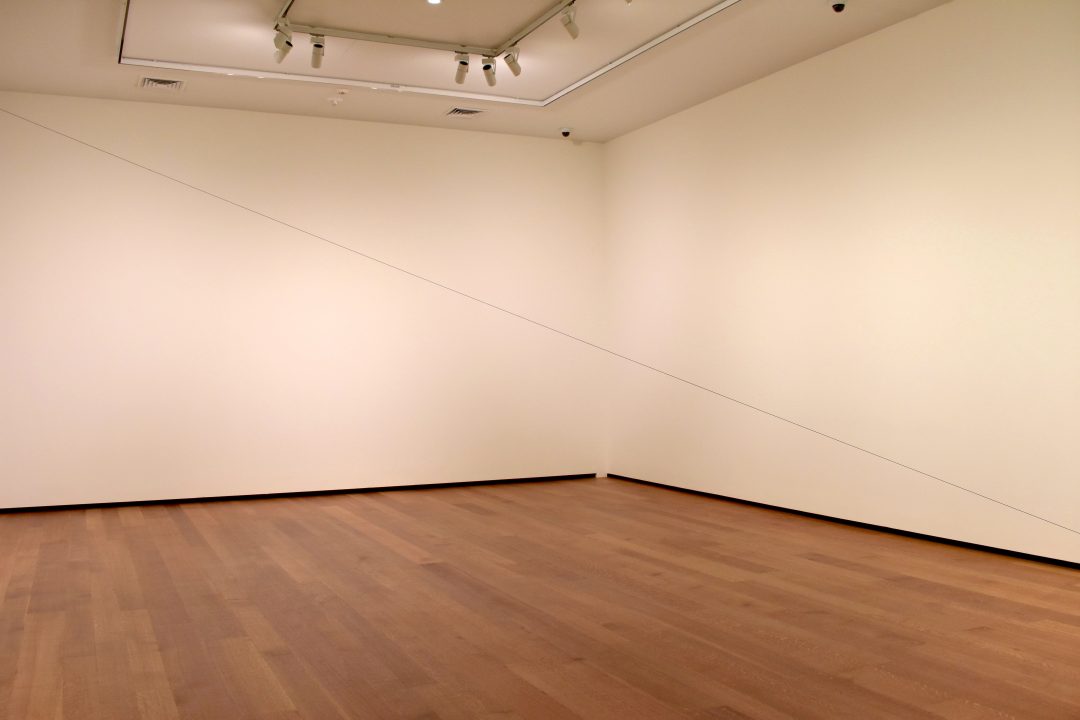
Fred Sandback, American, 1943-2003. Untitled (One of Four Diagonals), 1970. Black Elastic Cord Installed Across a Room from an Upper Corner to the Lower Corner of the Diagonally Opposite Corner.

Standing at the entrance to the Spaces: Works from the Collection 1966-1976, I hesitated, unsure whether to go in. There was almost nothing inside. From where I was standing, all I could see was just a black elastic cord installed across a room. I was trying to examine the elastic cord and expected that there might be something special about it. However, it’s just a cord.

For subject matters like this elastic cord, the lack of any apparent meaning is my first impression, and probably a common impression for most people. However, this minimalism installation in the National Gallery of Art is not about exhibits themselves, but the environment around them, including viewers.  

Traditionally, the way we interpret art is by studying artworks themselves. The “seven elements of art” (line, form, shape, color, value, space, texture) is always a good start. If we associate the artwork with the historical context where it was created, some metaphorical subtext can be further deduced. Since this classic appreciation is subject-oriented, viewers tend to hustle themselves into the closest position to the artwork, in order to get a better vibe of it.

Minimalism, on the other hand, urges its audience to wander around and observe the art from a distance. It further rejects the subject-oriented expectation of art by using materials from mass production, which counters peoples’ premise about the exclusiveness in art.

Created by Fred Sandback in 1970, Untitled (one of Four Diagonals) consists of a black elastic cord diagonally dividing the volume of the gallery space into two equal triangles. The design of this installation is based on an idea about the fractal expansion of the triangle. Standing and observing the elastic cord from different angels, viewers can experience how the volume of room is exposed under a series of triangle zones. What makes this installation mathematically beautiful is that the gallery space where the artwork is displayed has often changed and the shifting situations challenge Sandback to coordinate the cord and its visual effect within irregular space of the gallery.

Robert Morris, American, born 1931. Untitled (Battered Cubes), 1966. Painted Fiberglass (4 Units). 

Untitled (Battered Cubes), an exhibit placed in the room next to the display of elastic cord, reveals the volume of gallery space with a different technique—closed geometric shapes. Four identical fiberglass cubes with slanted profiles are installed on the floor. This time the space of the room is divided not by a single diagonal line, but planes extending from surfaces of cubes. Cubes are separated from each other with blank space, which can be perceived as a symbol of individualized existence. However, as a whole, repeated geometric surfaces are echoing with each other, serving as reference points to help viewers navigate around the room.

Charles Ross, American, born 1937. Hanging Islands, conceived 1966, refabricated 2015. Acrylic and Metal (36 Prisms).

Collaborating with choreographers Anna Halprin and Yvonne Rainer, Charles Ross’s Hanging Islands introduces an important element—light—to the expression of minimalism. Hanging in the room by metal strings, six sets of six identical prisms constructed with Acrylite are placed with identical spaces between them.

As viewers walk around the room, they may notice that reflections of prisms on the floor diminish in scales starting from the front wall to the back wall of the room. Meanwhile, the color of reflections of light disperse across the front wall and finally fades out as reflections reach at the foot of front wall. Depending on where viewers stand, their visual experiences change, which mimics theatrical performance where seating influences audience’s perception of performers.

I walked back to the entrance at the end of my tour. When I was pacing back and forth to take some pictures of wall texts, I noticed a guard standing at the corner fenced by that elastic cord exhibit. He looked at me for a second and shifted his eye to the outside of the exhibition. I wondered if he saw a different image of space divided by the cord from there.

The Courtauld Collection: A vision for impressionism – an exhibition at the Fondation Louis Vuitton

The Courtauld Collection: A vision for impressionism - an exhibition at the Fondation Louis Vuitton

Edouard Manet. Bar aux Folies-Bergère, 1882. Oil on canvas 96 x 130 cm. The Samuel Courtauld Trust, The Courtauld Gallery, London

This year the Fondation Louis Vuitton presents the Courtauld Collection, from the 20th of February until the 17th of June, 2019.  With more than 110 impressionist artworks, this exhibition is undoubtedly a major event in the art world.

For anyone living in London, the name “Courtauld” is most likely familiar. The Courtauld Gallery, located in the Somerset House on the Strand, is one of the most important museums of the capital. Indeed, it is exhibiting the art collection of the Courtauld Institute, created in 1932, by English industrialist, philanthropist and Huguenot descendant, Samuel Courtauld who lived from 1876 to 1947. This prestigious collection of more than 530 canvases is particularly known for its impressionist (and post-impressionist) paintings.

It is part of this impressionist collection that the Fondation Louis Vuitton decided to showcase for their new exhibition. Manet, Seurat, Cézanne, Gauguin, and even Van Gogh; many iconic painters can be found in the Courtauld Collection.

Claude Monet. Effet d’automne à Argenteuil, 1873. Oil on canvas 55 x 74,5 cm. The Samuel Courtauld Trust, The Courtauld Gallery, London

The first two rooms, which are breathtaking, constitute the heart of this exhibition. The white walls and the soft but bright light reveal the canvases to the public. The meticulous, but also spontaneous touches of the impressionist painters are displayed to the eyes of the visitors very clearly. Several of Edouard Manet’s masterpieces are present in the first space, and it is almost like a waltz for the eyes; right away, the visitors are face to face with the waitress from the “Bar aux Folies-Bergère”, then they are outside in fresh air for a “Déjeuner sur l’herbe”. After, they can meet the eye of a lady in a blue dress at the “Coin de café-concert”. The second space, much larger than the first one regroups mostly landscapes painted by Claude Monet, Eugène Boudin or Camille Pissaro. Here again, the impressionists’ bright colors and poetry are astonishing, like in the painting of “Antibes” (a French town of the Riviera), by Monet.

In the third space, visitors can appreciate some much smaller canvases from George Seurat. His technique of pointillism is very interesting on these small surfaces because of his exceptional precision. Following the exhibition, visitors are given the opportunity to view Samuel Courtauld’s compilation of letters and correspondences from the artists, which are bringing a voice and an even more personal dimension to this collection.

Letters from Paul Cézanne to Émile Bernard. The Samuel Courtauld Trust, The Courtauld Gallery, London

In conclusion, the Courtauld’s collection at the Fondation Louis Vuitton is a must-see, and it is difficult to talk about it without being tempted to reveal the many surprises it holds. One important element to remember is that the Courtauld collection testifies of a man’s taste and sensibility for French art and culture. Anyone even remotely interested in this topic will certainly be impressed and impacted by some of these masterpieces.

Talking Art: Interview with Phoebe Dickinson

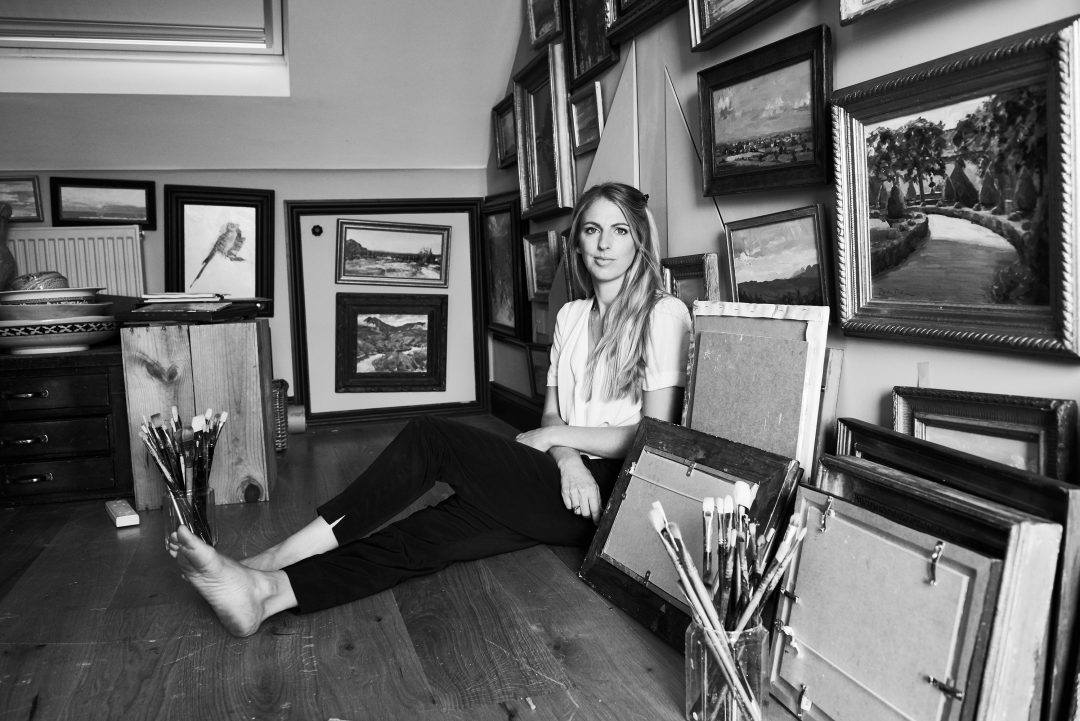
Meet one of the 21st century’s most gifted classical painters, London based Phoebe Dickinson. The 34 year old artist is turning heads with her quintessentially timeless portraits, which evoke a feeling of Gilded Age nostalgia. Probably best known in the United Kingdom, the artist has been heralded for her painting of Carson from Lord Julian Fellowes’ hit series Downton Abbey, as well as for her painting of the Cholmondeley children at Houghton Hall, which was selected for the 2018 BP Portrait Award exhibition at the National Portrait Gallery in London.  Phoebe’s training includes stints at Charles H Cecil Studios in Florence as well as the London Fine Arts School. Since the days of John Singer Sargent, the world has seen few truly gifted artists with an affinity for classic portraiture, however we feel that Phoebe’s brush certainly revives an art form which is too often underappreciated in our fast paced world. We were given the privilege to catch up with Phoebe just ahead of her exhibition at the Royal Society of Portrait Painters.

Tell us about how you first became interested in art, and what initially attracted you to portraits, still lifes, and landscapes?

“My father is an art dealer and because of this I grew up in a house hung floor to ceiling with paintings.  As children we were constantly taken around galleries and told interesting stories about the artists and their subjects.  I think since my father is an old masters art dealer I became more interested in representational art and that is [what] drew me to a traditional training and then on to painting portraits and still life.  The love of landscape painting came later for me and I enjoy it so much because it allows much more freedom than portraits and still life and gets me out of the studio and in to nature.”

Who are some historic artists that you look up to for inspiration?

“For portraits my go to reference is always John Singer Sargent.  For still life, I love William Nicholson and for landscapes I’ll look at Corot.”

Talking Art: Interview with Phoebe Dickinson
Portrait of the Marchioness of Cholmondeley titled ‘Rose at Houghton’ Photo Credit: Alex Fox

In a few words how would you personally describe your work?

“Classic and representational, but with a contemporary touch.”

You’ve just been selected for this years Royal Society of Portrait Painters Exhibition. With that said, what do you believe makes a truly remarkable portrait?

“For me the most important thing is what makes a beautiful painting and one that is interesting whether you know the sitter or not.  In the perfect world I also think the setting should add interest.”

Do you have a special routine to get your creative process started?

“Not really….I actually think its quite important to be flexible and be able to adapt to any environment.  The only routine I have is in what I listen to in my studio whilst I paint.  In the late afternoons if I am lagging sometimes I put on dance music to keep me going.”

Photo Credit: Alex Fox

What do you feel are the greatest challenges of being a portrait painter today?

“People don’t have the time on their hands that they would have had 100 years ago, so getting people to sit is harder.  Studios with North light in central London are very expensive and hard to come by now and they all get developed into swanky flats, which is a shame.  I also think our typical everyday clothing is not nearly as glamorous or beautiful to paint.”

Take us through a day in the life of Phoebe Dickinson.

“A typical winter day starts with stories in bed with my 2 year old and husband followed by breakfast and maybe a few e mails.  I then go up to my studio and paint until lunch time when I take a break to eat with my daughter and au pair.  After lunch I usually go straight back to painting and if I do have any meetings I always try my best to arrange them for the late afternoons when the light starts to fade and my energy is waning.  Towards the end of my day I do more admin and then I do bath and bedtime with my daughter while my husband cooks something delicious for our dinner.  In the spring and summer we travel a lot more and my day would be pretty different and involve walking or driving to find beautiful landscaping spots or picking flowers from my mother’s garden to paint.”

Tell us more about your upcoming painting course at Villa Cetinale?

“Villa Cetinale is a 17th century Italian villa renowned for both its beautiful architecture and gardens.  I feel so lucky to be able to teach there.  The course is primarily a plein air landscape course, although there is the option of doing still life or interior paintings.  There is a day in the middle of the course for people to explore the surrounding towns of Sienna and Florence if they wish and there are masses of amazing activities for non-painting partners.  It really is the ultimate luxury to stay at Villa Cetinale and have a glorious day of painting peppered by delicious meals with the incredible local produce and Italian wine and 5 star service.  The October 2019 course is now fully booked, but we plan to do two more weeks in spring 2020.”

Talking Art: Interview with Phoebe Dickinson
‘The Bamford grandchildren at Daylesford House’ Photo Credit: Alex Fox

What is the most important item in your studio?

“My paintbrushes without a doubt.  I could get away with using bad quality paints, canvas and easel, but the paintbrushes are incredibly important.  Other than that….my father gave me a very special little pallet in the shape of a fish, which he bought at auction and was said to have been carved and used by Joshua Reynolds as a boy.”

Of all the commissions that you have completed, which has been the most challenging?

“I recently painted ‘The Bamford grandchildren at Daylesford House.’  It is the biggest canvas I have ever painted and I could only just get it in to my house.  It was too big to get in to my studio and the painting consisted of 7 figures and complicated architectural details.  On top of all that I had terrible morning sickness throughout painting it and so it was incredibly challenging, but I was really pleased with the end result.”

If you were remembered for just one piece of your work, which piece would it be and why?

“I think at the moment it would be my painting of the Cholmondeley children at Houghton Hall because it is currently hanging in the National portrait gallery of Scotland after touring the UK as part of the BP portrait award exhibition.  The painting is of three very attractive children in what has to be one of the most outstanding rooms in the world.  I think this is the painting I have done that sticks in peoples’ minds the most, but I am excited to see the reactions to the painting of the childrens’ mother ‘Rose at Houghton’ which is going to be in the Royal Society of Portrait Painters Exhibition.  This is in fact my favourite of my paintings and I hope people like it as much as they seemed to like the Cholmondeley children.”

Talking Art: Interview with Phoebe Dickinson
The Cholmondeley children at Houghton Hall Photo Credit: Alex Fox

Where to next?

“I’m staying put for the time being because I’m about to have a baby, but this summer we have plans for painting travels in Italy and Spain and then of course we will be off to Villa Cetinale in the autumn.”

Where can we follow you?

“You can see regular updates from me on my instagram: [@phoebedickinsonart]. And if you sign up to my newsletter through my website (www.phoebedickinson.com) you get news of future exhibitions, recent work and teaching workshops.”

Featured Image Photo Credit: Alex Lloyd